
Foundation
Contractor website design.
Most contractor websites are brochures. They say who you are and leave the visitor to decide what to do about it. A site that works does one job: it turns the people already looking for you into calls you can answer.
Businesses we have worked with







The short answer
What is contractor website design?
Contractor website design is the practice of building websites for trades businesses that turn searches into booked work, rather than sites that only describe the company. It covers the pages a customer looks for, the proof that makes them call, the speed the page loads at, and the path from a first click to a job on the calendar.
- What you do, and where
- A page for every service you sell
- Proof from real jobs
- One tap to call, text or send it
How to judge one
Six things decide whether a contractor site works.
None of them is how it looks, and every one is checkable on the site you have now.
- Someone landing on it knows what you do and where you do it inside five seconds.
- Every service you actually sell has a page, so it can be found on its own.
- The proof is on the page: real jobs, real photos, real reviews, not stock.
- It loads fast on a phone on site data, which is where most of your visitors are.
- Calling, texting or sending a form takes one tap from anywhere on the page.
- What arrives lands somewhere you will see it, not in an inbox nobody checks.
What is in the build
Search, conversion and follow-up are built in, not sold back to you later.
The three things that decide whether a site earns are part of the build here. What you add on top of it is a choice you make later, not a gap you are handed.
Found
Every page written and structured for search as it is built. A new site ranks for your business name on its own, and for the work you want as the market allows.
Built to convert
Call, text and form one tap from anywhere, the proof sitting beside them, and a page for each service you actually sell.
Connected
Every enquiry lands in one place you will actually check, wired up as part of the build rather than bolted on afterwards.
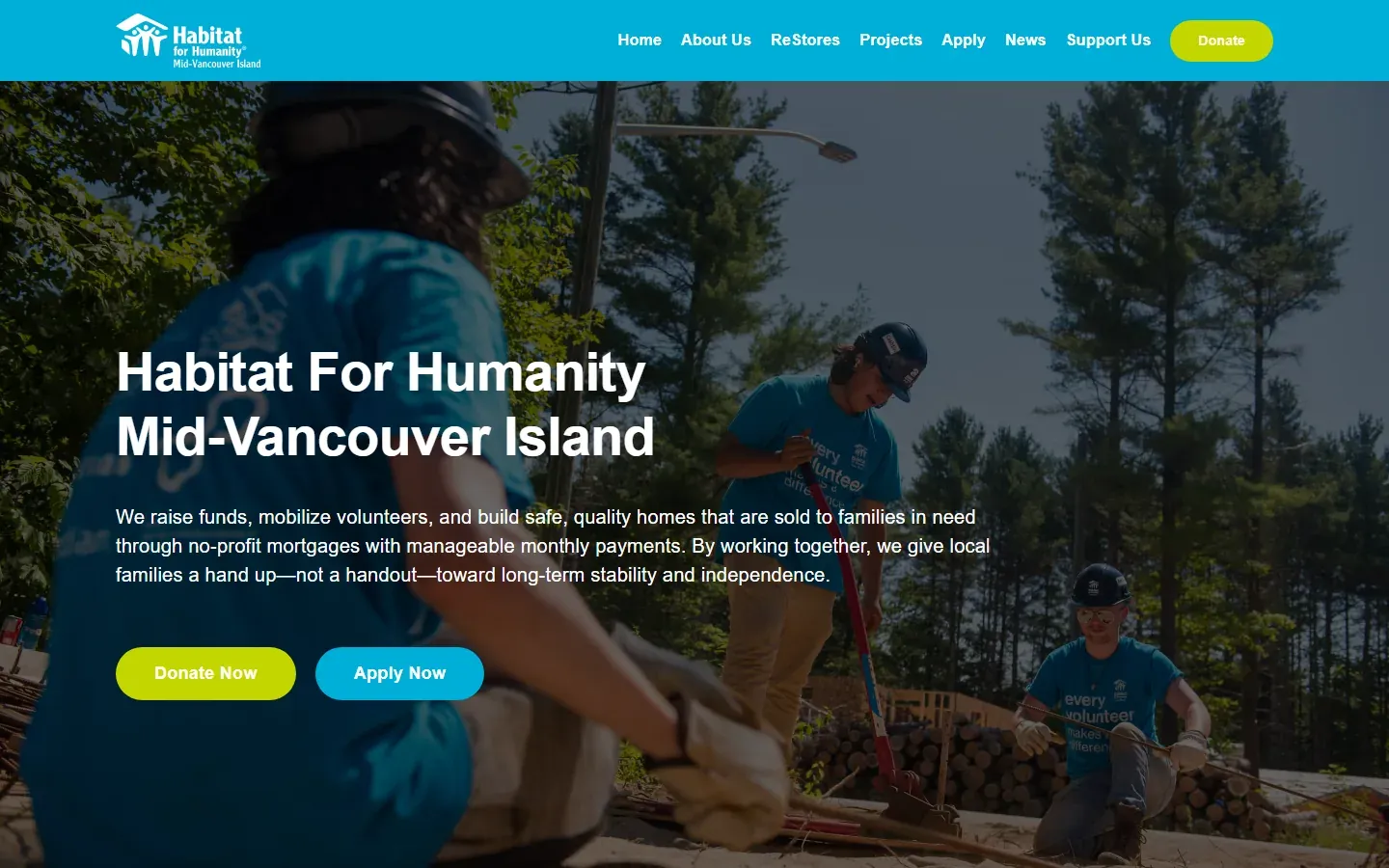
"He completely rebuilt our website to better reflect our mission and make it easier for people to navigate and get involved. He also connected it with our CRM, so all our form submissions now flow directly into it, which has saved us a lot of time."
Built by us
Sites we have built, and what we did on each.
Seven businesses. Every one is a real engagement, and the line under each says what the work actually covered.
Deck and rail
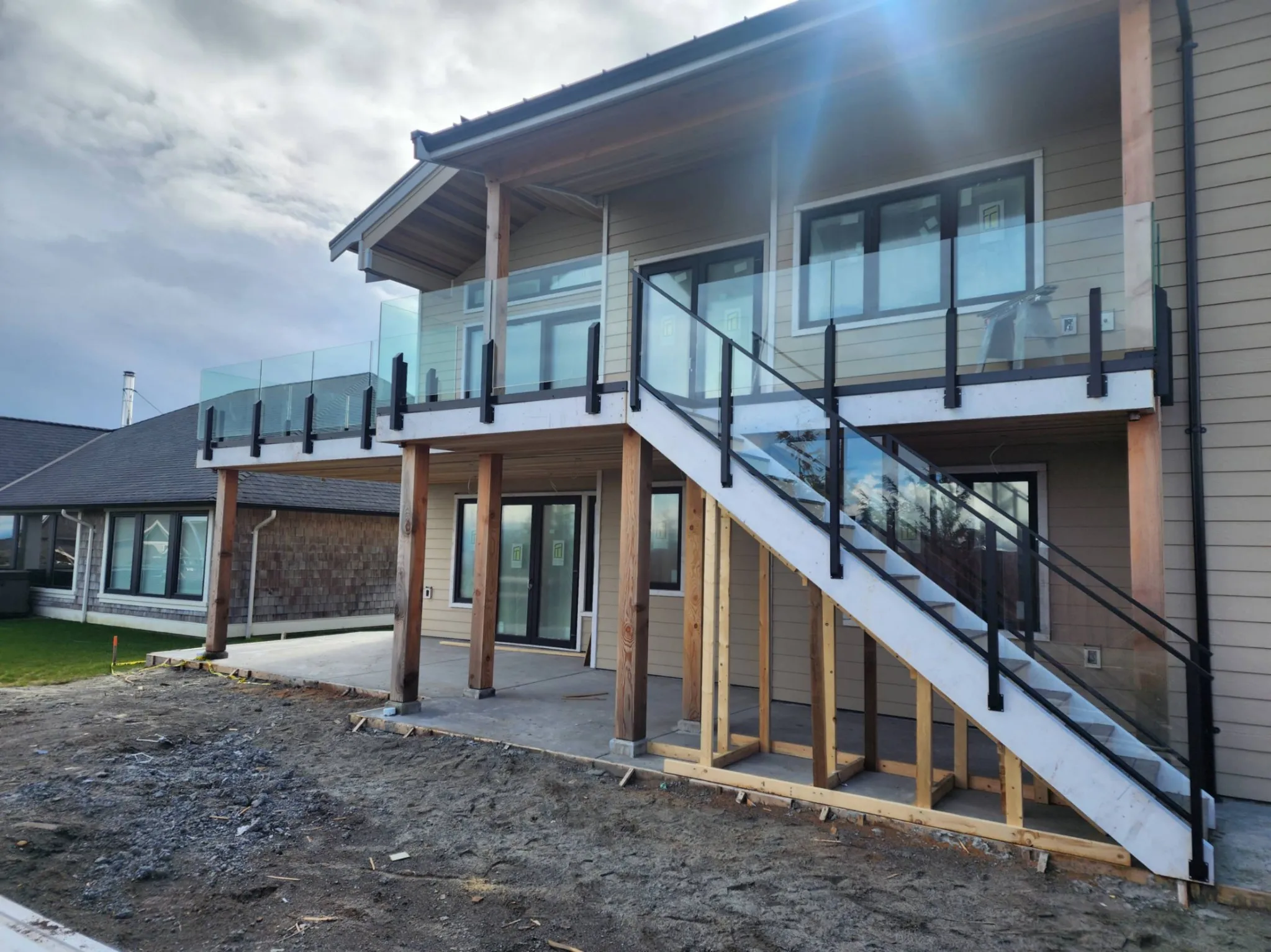
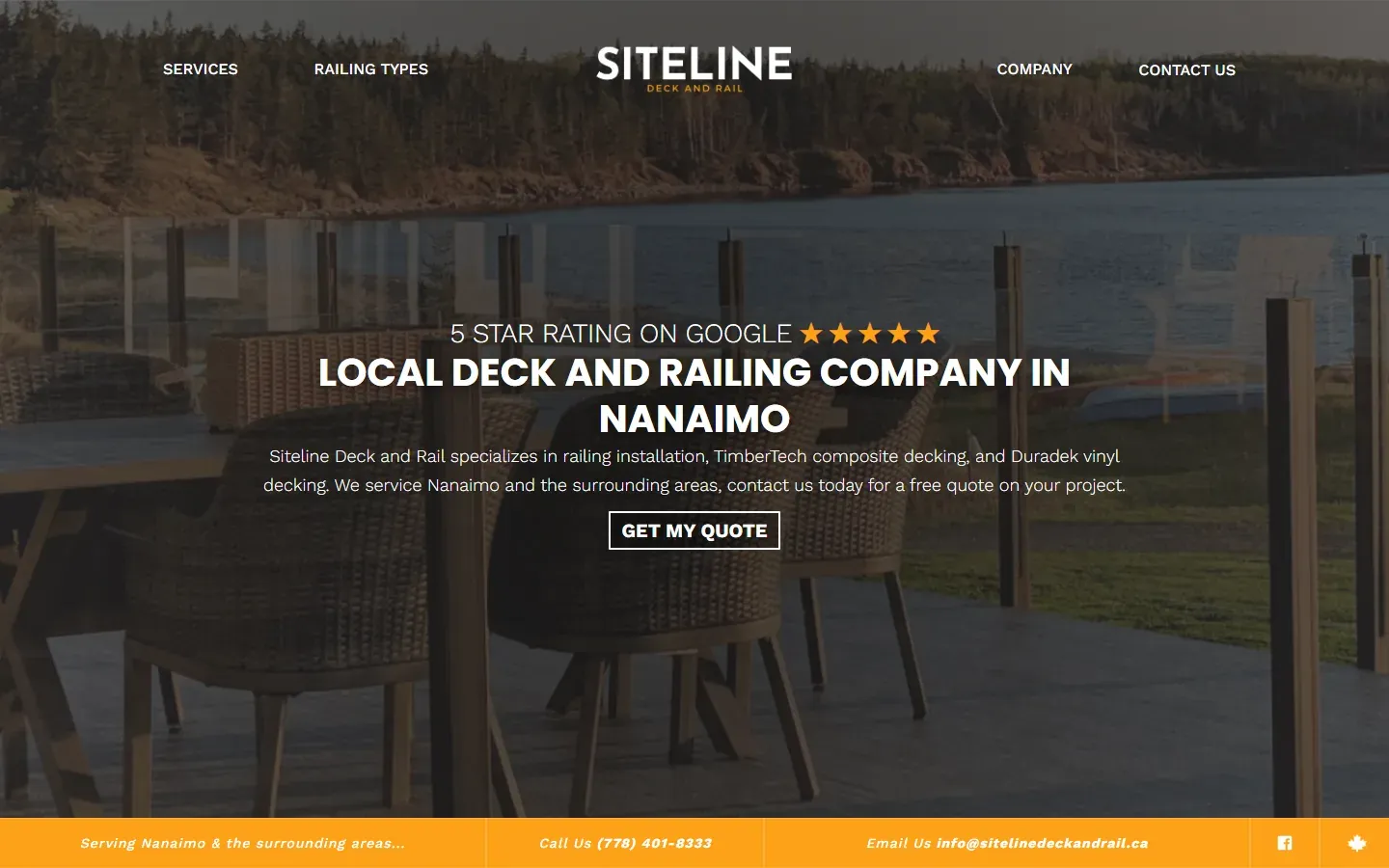
Siteline Deck and Rail
Website, brand, paid advertising on both platforms, and the system that catches every enquiry.
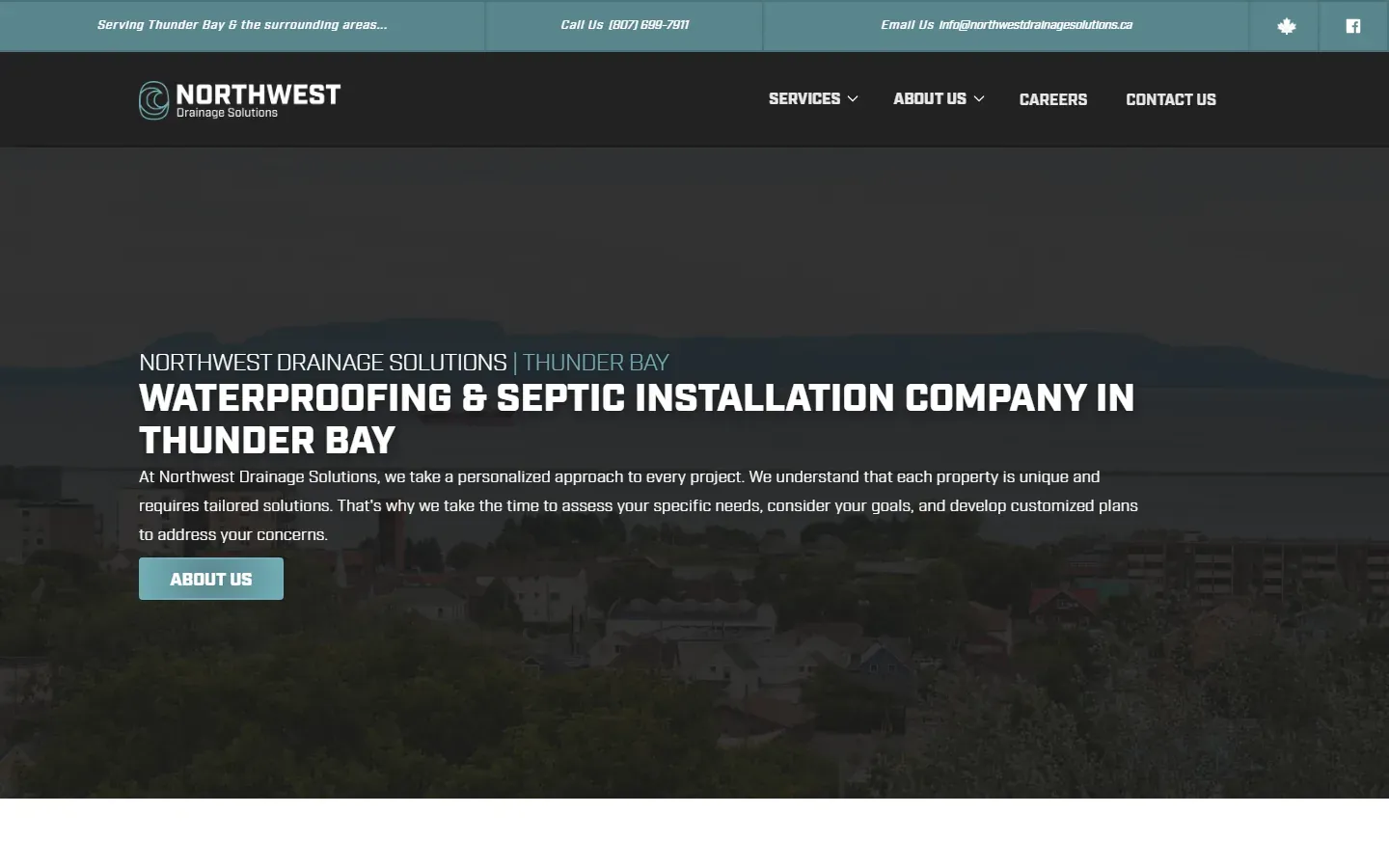
Drainage and septic
Northwest Drainage Solutions
Brand, website and paid advertising. We host and look after it now.
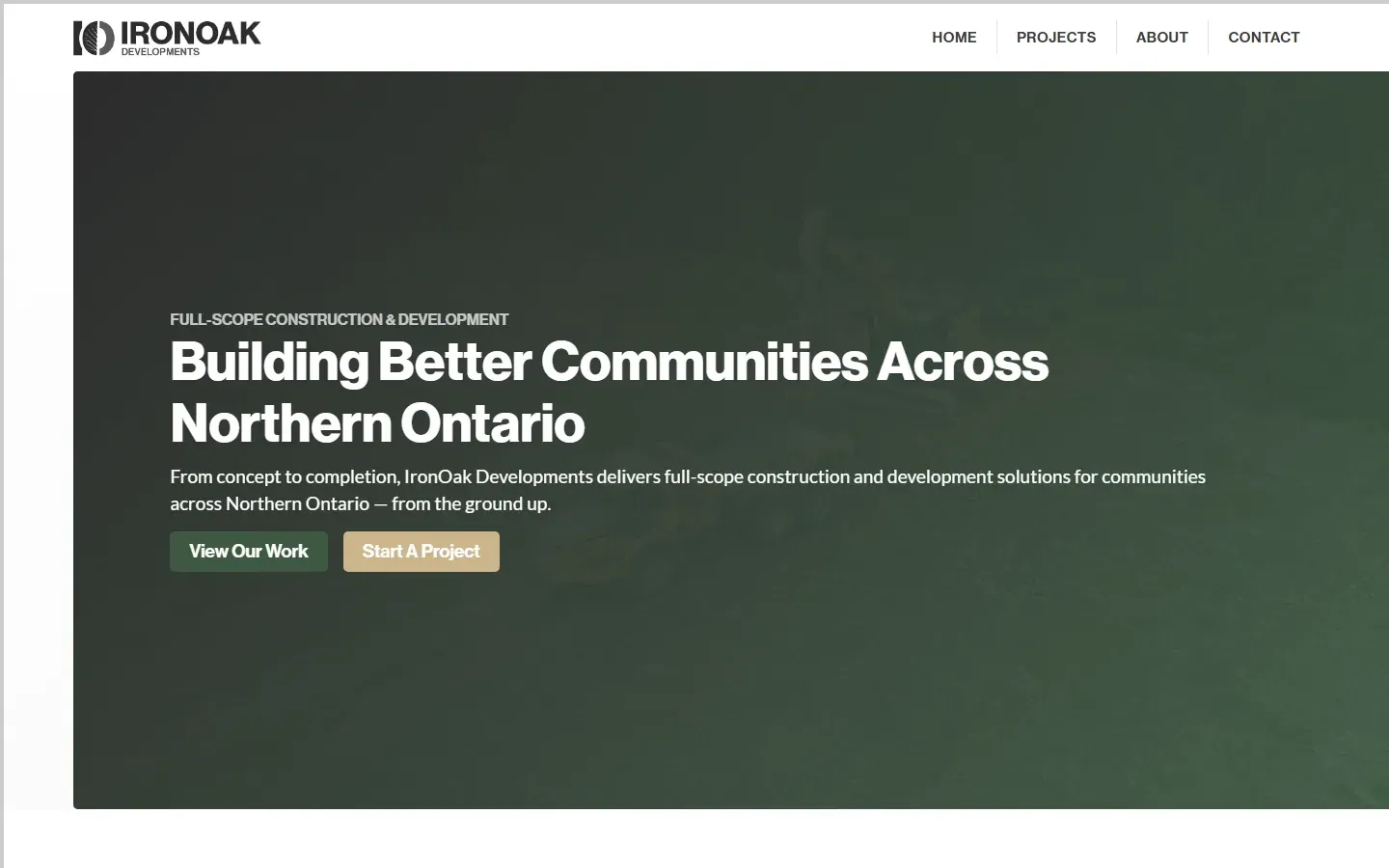
Construction
IronOak Developments
Brand, website, hosting and ongoing management, plus paid social.
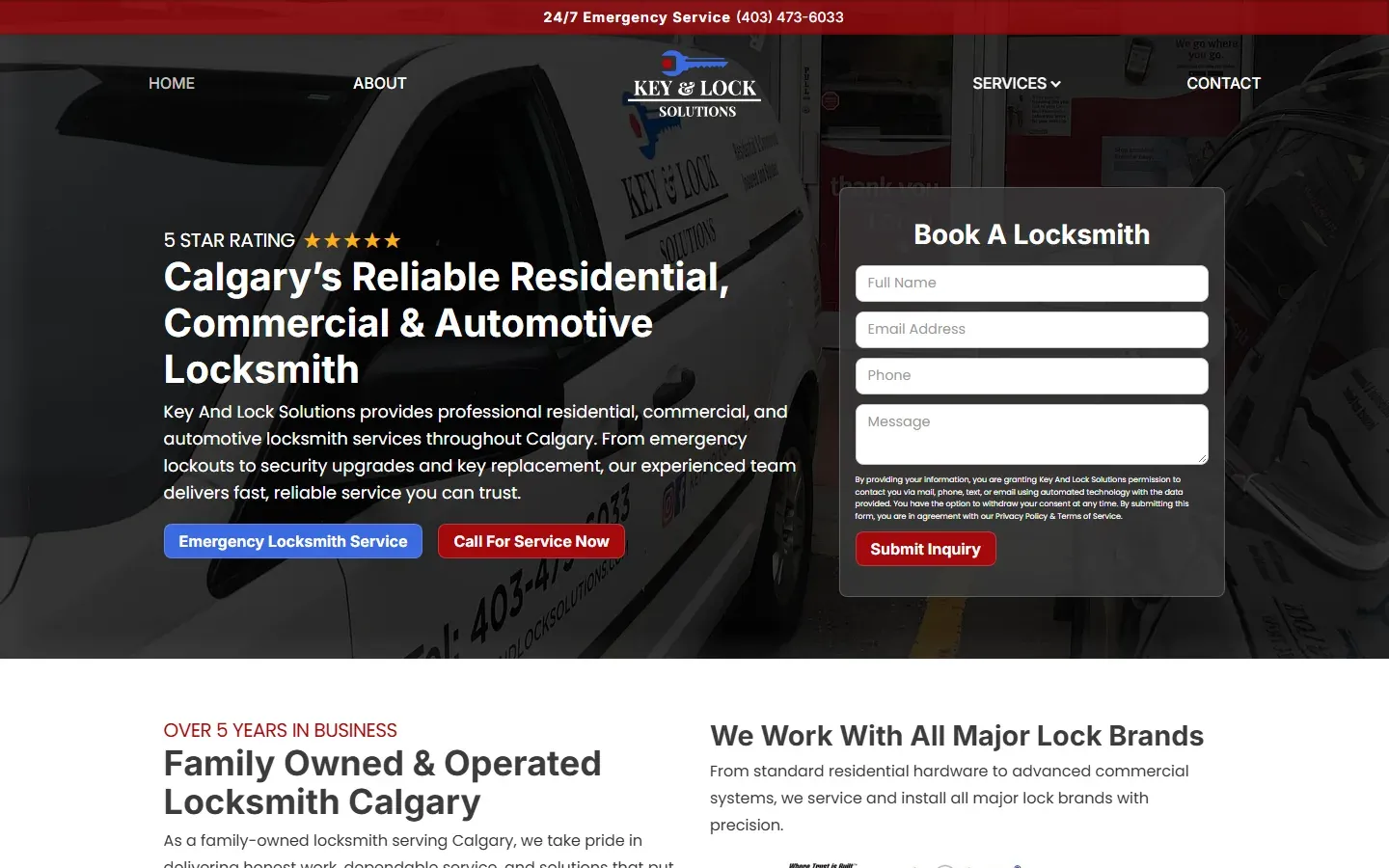
Locksmith
Key and Lock Solutions
Website, then ongoing search work on top of it.
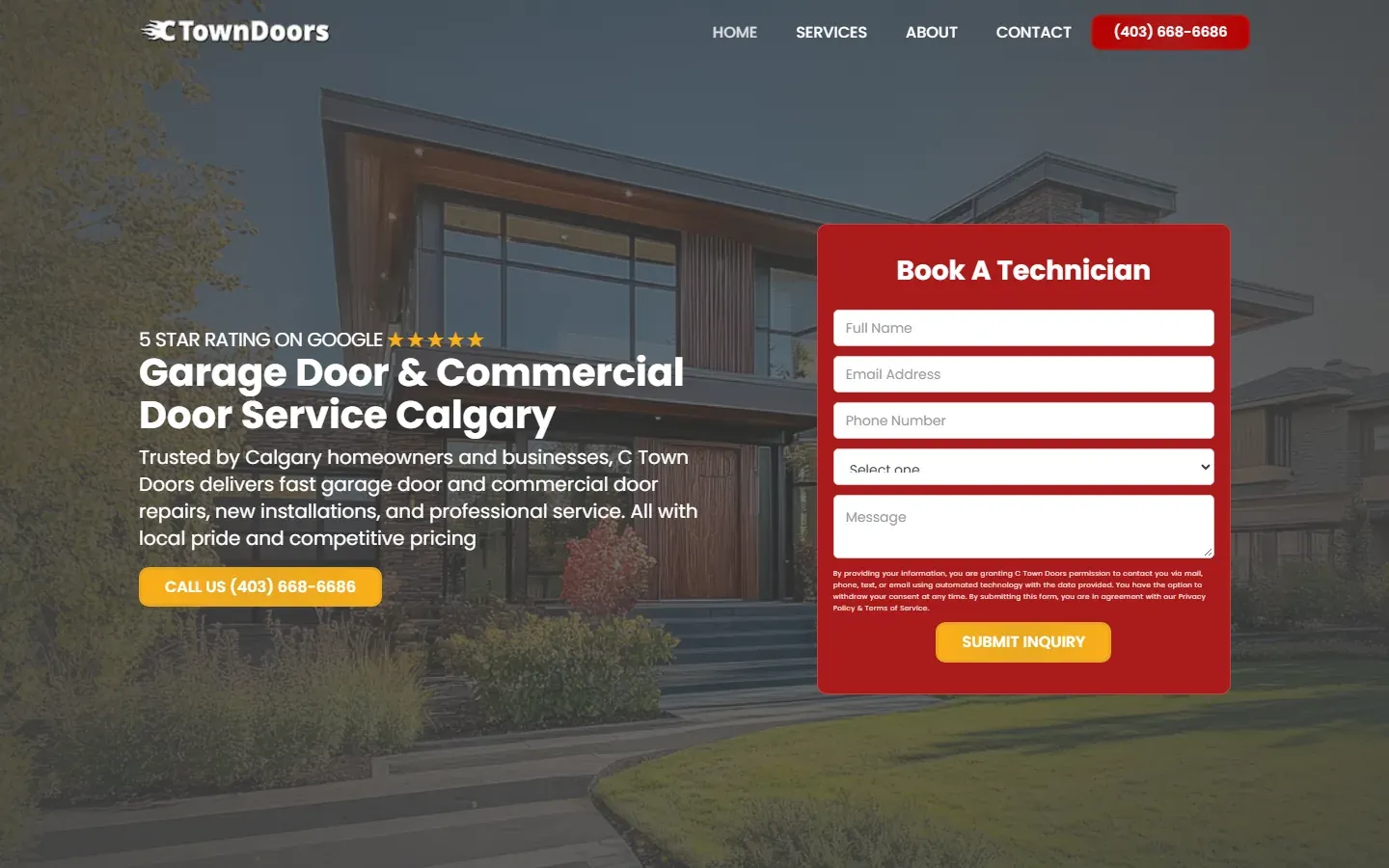
Garage doors
C Town Doors
Website and every word on it, then ongoing search work.
Non-profit
Habitat for Humanity MVI
Website rebuild, wired into their CRM so enquiries land in one place.
Plumbing
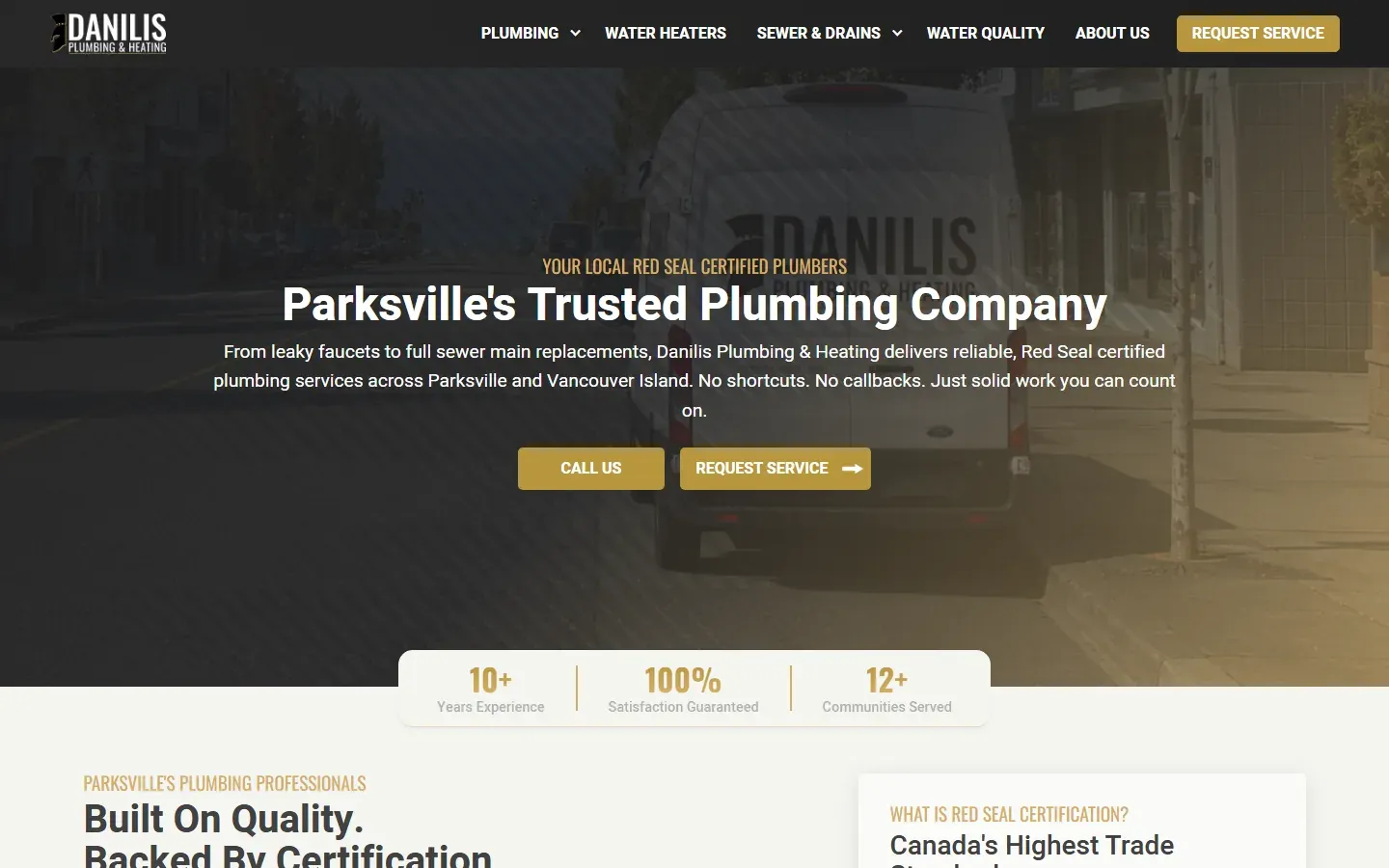
Danilis Plumbing
Brand and website build.
Before we write a word
We write down how you talk. Then we write everything else.
We write one of these for every client. We sit down with you, listen to how you actually describe the job, and write it down. Your site, your ads and every follow-up get written from it, which is why they sound like you and not like an agency wrote them.
Voice document
How we talk about a client whose name is redacted
- Trade
- City
From Google
What it is like to work with us.
They come straight from Google, from real businesses we have worked with.
Easy to work with and knows what he's doing. Aidan answers my calls or texts within a few minutes, not too many companies with good communication like Rega Marketing. I highly recommend their services.
Adian did an amazing job building our website. He was professional, easy to work with, and delivered exactly what we were looking for. The whole process was smooth, and the final result exceeded our expectations. I highly recommend Adian to anyone looking for a quality website!
What it costs
What a site costs, with the work that keeps it earning.
A website can be bought on its own, and we quote it. It is the better buy with the work that fills it, so here is what each system includes and what it costs.
Solo
$1,500 to build, then$750/month
A site, a system that catches every call, and content every month, so the work you already attract stops slipping away.
For: An owner-operator who needs to be found, and to stop losing the calls they already get.
See what is in SoloMost owners take this
Crew
$1,750 to build, then$2,000/month
Everything in Solo on a bigger site, plus your Google profile and one ad platform run for you.
For: An owner-run business already busy, with an average job around $2,000 or more.
See what is in CrewCompany
$1,750 to build, then$3,500/month
Both ad platforms, the top content tier, and campaigns back out to the customers you already have.
For: Shops running a real crew, and Crew clients ready for step two.
See what is in CompanyBefore you ask
What owners ask us about websites.
I built my own site. Is that a problem?
Only if it is costing you work. Plenty of owner-built sites are fine as a holding page and stop being fine the moment you spend money pointing traffic at them. The six checks above are the honest test, and you can run them yourself in ten minutes without talking to us.
I paid someone before and got nothing out of it.
We hear this more than any other objection, usually about a vendor who was hard to reach and vague about what was happening. What we do differently is mechanical rather than a promise: the quote is the price, you own the site and the code at the end of it, and there is no long contract to sit out if it is not working.
You are not local to me. Does that matter?
It has never been the thing that decides whether this works. Everything runs remotely, the same way for a business two hours away and one three time zones over. The question worth asking is whether you want someone nearby who does a bit of everything, or someone who does this specific thing properly.
I am not technical. How much of this lands on me?
The input we need is the part only you have: what you sell, what you charge, which jobs you want more of, and photos of real work. We write down how you talk about it and write everything else from that. You do not need to learn a tool to own the result.
How long does it take?
Most builds go live in two to three weeks, from the day we have what we need from you. The thing that moves that date is almost always how quickly the photos and the answers come back, which is why we ask for them first.
Do I have to buy ads as well?
No. A site on its own is a real thing to buy and some businesses need nothing else for a while. We will tell you when we think traffic is what is holding you back rather than the site, because pointing ads at a page that cannot convert them wastes your money and our time.
The next step
See what a site costs, with the work that keeps it earning.
Three systems, every price on the page, and what is in each one. A site on its own is still something we sell and quote, but a system is the better buy, and its price is on this page rather than at the end of a call.